
AI Discovery Explained: How to Prepare Your Website for AI Search

AI tools like Google AI Overviews, AI Mode, and chat-based assistants are changing how people find information – and how businesses get discovered. AI discovery is the process of making a website easy for AI systems to understand, summarize, and recommend, rather than only optimizing it to rank in a traditional list of links. As more searches end in an AI-generated answer instead of a list of blue links, websites that communicate clearly, consistently, and with verifiable credibility are the ones most likely to be cited. This guide explains what AI discovery actually means and the concrete steps to prepare a website for it.
What Is AI Discovery?
AI discovery refers to how AI-powered search tools - including AI Overviews, AI Mode, and conversational assistants - find, interpret, and decide whether to cite a website when answering a user’s question. Unlike traditional search ranking, which relies heavily on keywords and backlinks, AI discovery depends on how clearly a website explains who it serves, what it offers, and why it can be trusted. A website doesn’t need to publish constantly to be AI-discoverable, it needs to be unambiguous about its purpose and expertise.
Why AI Discovery Is Becoming a Growth Channel
AI-generated answers are no longer a niche search experience. Research from 2026 found that Google AI Overviews appeared for 13.7% of trending queries overall and nearly 65% of question-based searches. That shift means a growing share of potential customers may never click through to a traditional results page at all, they get their answer directly from an AI summary, and the website cited (or not cited) in that summary shapes whether a business even enters the conversation.
This isn’t about gaming an algorithm. AI discovery rewards websites that make their value unmistakable – who they help, what they offer, why they’re credible, and what sets their work apart, rather than websites that simply publish more content. A business’s story spread thinly across social media, videos, and review sites isn’t a substitute for a clear, owned website. Social platforms control the algorithm and the audience; a website controls the message and the structure that AI systems read directly.
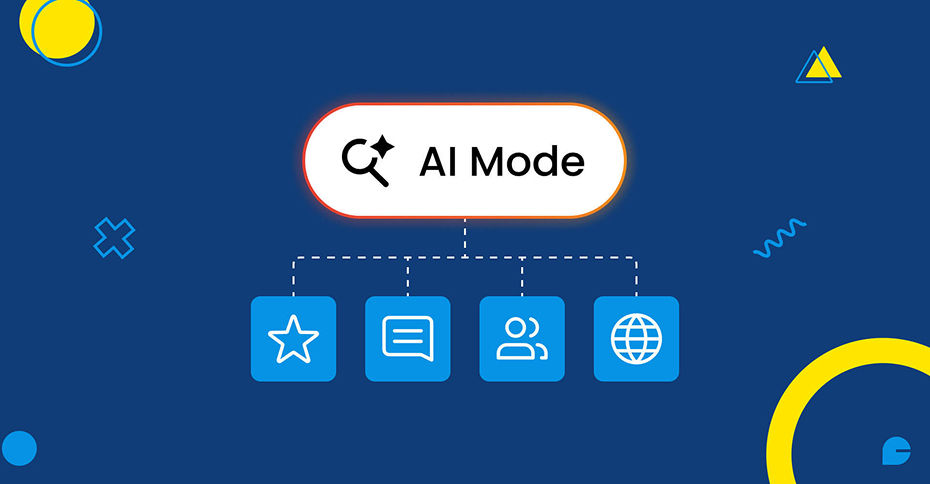
4 Things AI Tools Need to Understand About Your Website
AI systems interpret a website based on clarity and consistency, not posting frequency. Four areas matter most.
1. A Clear Explanation of Who You Help
Visitors – and AI systems reading the page, should be able to quickly identify what a business does, who it serves, what problem it solves, and what action to take next. Vague marketing language forces both humans and AI tools to guess at positioning, which reduces the odds of being cited accurately.
A simple structure works well: “We help [audience] achieve [outcome] through [offer].” From there, each major service, product, or audience segment should have its own dedicated page rather than being bundled into a single generic page. Businesses serving multiple customer types benefit from explaining each audience separately.
2. Useful Answers to Customer Questions
AI search tools are heavily shaped by the questions people ask, pricing comparisons, common mistakes to avoid, who a product or service is best suited for, and what steps to take next. Content that directly answers these questions functions as decision support rather than promotion, and it’s exactly the kind of content AI tools pull from when constructing an answer.
A blog is typically the best home for this content, since blog posts can link naturally to service pages, pricing details, and contact forms, helping both visitors and AI systems understand how a business’s expertise connects together.
3. Visible Trust Signals
AI discovery depends on credibility as much as relevance. A website should make it obvious that a real person, team, or organization stands behind its content. Useful trust signals include:
A detailed About page that clearly explains who runs the business, what they do, and why they’re qualified to do it.
Clear, accurate contact information that makes it easy for both visitors and AI systems to verify the business is real and reachable.
Author or ownership details on content so it’s clear a specific person or team is accountable for what’s published.
Testimonials and customer stories that provide real, specific evidence of results rather than generic praise.
Case studies or portfolio examples that demonstrate actual work and outcomes, not just claims.
Accurate publish and update dates on time-sensitive content so AI systems can judge how current the information is.
Transparent service, product, or pricing information that removes ambiguity about what’s being offered and at what cost.
Small teams and independent site owners don’t need enterprise-level authority signals, just enough specific, verifiable evidence to demonstrate legitimacy and expertise.
4. A Website That Brings It All Together
There’s no guaranteed formula for earning AI citations. But the foundation stays consistent across sites. A website’s most important pages need to be public, crawlable, and clear. This includes the homepage, About page, and service or product pages. Key customer questions should also be addressed clearly. Several elements help AI systems interpret a site with more confidence. These include clear headings, useful answers, and internal links. Fast load times and secure hosting matter as well. Accurate structured data rounds out the list.
Originally published at https://increativeweb.com on July, 15 2026.


Comments